
Views: 0 Author: Site Editor Publish Time: 2026-03-17 Origin: Site
Medical device manufacturing is one of the most highly regulated and precision-driven sectors in the world. The parts produced for this industry need to meet stringent quality standards to ensure safety, reliability, and optimal performance. With the increasing complexity of medical components—such as those used in implants, surgical tools, and diagnostic devices—traditional machining methods can often fall short. This is where medical device slant bed turning comes in as a crucial solution. By offering enhanced precision, better ergonomics, and improved quality control, slant bed lathes provide the ideal platform for machining the complex parts required in the medical field. In this article, we will explore the essential role of slant bed turning in medical device manufacturing and why it is indispensable for producing high-precision medical parts.
Medical device manufacturing is known for its unique demands, driven by the need for high precision, biocompatible materials, and complex part geometries. Each of these factors poses specific challenges to manufacturers, requiring advanced machining equipment like slant bed lathes to meet the necessary specifications.
Medical parts must be machined to incredibly tight tolerances, often in the range of 0.001mm or smaller. For example, bone screws, orthopedic implants, and surgical instruments require exceptional accuracy to ensure they fit perfectly into the human body or function properly in medical procedures. A slight deviation in measurements could compromise the safety or effectiveness of the device, making it crucial to use machines capable of achieving these small tolerances consistently.
Medical devices are often made from high-performance materials such as titanium, stainless steel, and various biocompatible alloys. These materials offer strength, corrosion resistance, and non-reactivity, making them ideal for medical implants and surgical tools. However, machining these materials can be challenging due to their hardness and resistance to wear. Using slant bed lathes ensures that these tough materials are machined accurately without compromising the integrity of the final product.
Medical components often require intricate geometries and fine details. Parts such as dental implants, orthopedic components, and surgical instruments feature micro-features, including tiny holes, channels, and threads, which must be machined with extreme precision. Traditional lathes may struggle to achieve the required level of detail, whereas slant bed lathes provide enhanced capabilities for turning small and intricate parts with consistent accuracy.
Medical device manufacturing involves machining several types of components that require precision turning. Some examples include:
Bone Screws: These screws are used to fix bones or implants in place and must be manufactured to extremely tight tolerances to ensure secure and accurate fixation.
Dental Implants: Dental implants are small but crucial components that need to be machined with high precision to ensure proper fit and functionality within the mouth.
Orthopedic Components: Implants such as joint replacements, prosthetics, and other orthopedic devices must be crafted with exacting standards to ensure the safety and comfort of the patient.
Slant bed turning offers several advantages that directly improve the quality of medical device parts. The precision, speed, and ergonomic design of slant bed lathes make them the ideal tool for producing high-quality medical components.
The slanted bed design of the lathe facilitates superior chip removal during machining, which is particularly important when working with materials like titanium and stainless steel. Efficient chip removal reduces the risk of surface contamination, which is critical in medical device manufacturing. Contaminants on the surface of medical parts can lead to performance issues or, in extreme cases, infections or complications in patients. With slant bed lathes, manufacturers can minimize these risks and ensure the cleanliness of the parts.
The fine detail required in medical parts, such as micro-features on implants, is another area where slant bed turning excels. These machines provide exceptional precision for machining small, intricate parts. With features like high rigidity, stable cutting forces, and accurate tool positioning, slant bed lathes enable manufacturers to achieve the fine tolerances necessary for producing complex medical components.
Slant bed lathes are also designed with ergonomics in mind. The angled bed allows operators to have better access to the workpiece, making it easier to set up and adjust the machine. This is particularly important when machining small, delicate medical parts, as it improves the repeatability of setups and reduces the risk of errors during the machining process. The improved ergonomics lead to more efficient workflows and higher quality results.
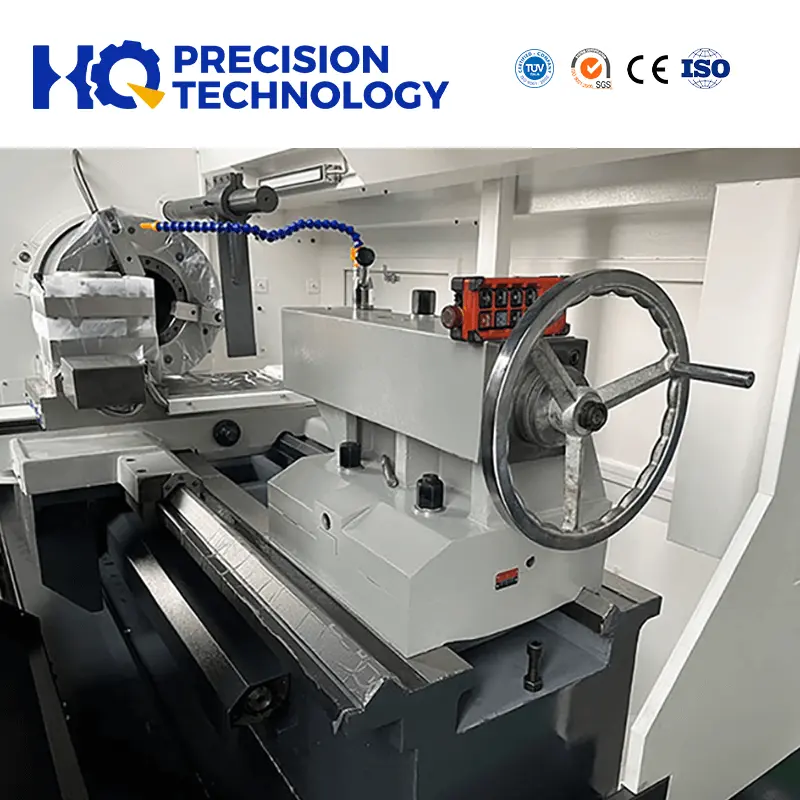
The medical device industry is governed by strict regulatory standards, including those set by the U.S. Food and Drug Administration (FDA). These regulations require manufacturers to maintain tight tolerance control and ensure that all parts meet the necessary quality standards. Slant bed lathes help manufacturers comply with these regulations by offering high accuracy and repeatability in machining.
Medical devices must adhere to strict tolerance requirements to ensure they perform as expected in the human body. Slant bed lathes provide precise control over the cutting process, ensuring that each part is machined to the exact specifications. Additionally, these machines can be integrated with advanced measurement and inspection systems that help verify that the finished part meets the required standards. For manufacturers, this level of accuracy and documentation is crucial for maintaining compliance with regulatory agencies.
Repeatability is essential in medical device manufacturing. Slant bed lathes provide consistent performance over long production runs, ensuring that each part is machined with the same level of precision. This reliability is key to meeting the FDA’s requirements for consistent quality, as it guarantees that parts will perform as expected each time they are produced.
The manufacturing process for medical device components involves several stages, from loading the raw material to finishing the part. Here’s an overview of the typical workflow when using a slant bed lathe to machine a medical part.
Medical Machining Workflow on Slant Bed Lathe
Step | Operation | Benefit |
Load Bar Stock | Chuck | Faster setup time |
Rough Turning | High-speed cuts | Shorter cycle time |
Precision Boring | Fine feeds | Tight tolerance control |
Surface Finish | Fine pass | Smoother surface finish |
Each step in the workflow is optimized to ensure the highest level of precision and efficiency. By using a slant bed lathe, manufacturers can reduce setup time, improve machining accuracy, and achieve the required surface finish for medical components.
To better understand the benefits of slant bed turning, let’s look at a case study where this technology was used in medical device manufacturing.
In this case study, a manufacturer used a slant bed lathe to produce orthopedic implants. The slant lathe allowed for precise machining of the complex shapes required for the implants, and the superior chip removal system reduced contamination risk. The result was a significant reduction in defects and rework, as well as a smoother surface finish. Additionally, the cleanup time was reduced due to the efficient chip evacuation, allowing the manufacturer to increase production efficiency.
In conclusion, medical device slant bed turning is essential for producing the high-precision, high-quality parts required in the medical device industry. By offering improved chip removal, enhanced precision for micro-features, and superior ergonomics, slant bed lathes provide the ideal solution for machining complex medical components. For manufacturers seeking to meet regulatory standards and ensure product quality, slant bed turning is an indispensable tool. At HQ Precision Technology, we offer cutting-edge slant bed lathes designed specifically for the medical device industry. Contact us today to learn more about our CNC solutions and how they can help improve your production process.
1. How does slant bed turning improve precision in medical devices?
Slant bed turning offers superior rigidity and stability, reducing vibrations and improving the accuracy of machining, which is essential for medical devices.
2. Why is chip removal important in medical device machining?
Efficient chip removal reduces the risk of surface contamination, which is critical for the safety and performance of medical components.
3. Can slant bed lathes handle complex geometries for medical devices?
Yes, slant bed lathes excel at machining complex geometries, such as micro-features, which are often required in medical device components.
4. How does slant bed turning comply with FDA requirements?
Slant bed lathes offer high accuracy, repeatability, and consistent performance, ensuring that medical parts meet the strict tolerances and regulatory standards set by the FDA.


