
Views: 0 Author: Site Editor Publish Time: 2026-03-30 Origin: Site
In the competitive world of manufacturing, precision is key, and when it comes to CNC lathes, the slant angle plays a significant role in determining the machine’s overall efficiency and machining capabilities. The slant angle for CNC lathe refers to the angle at which the bed of the lathe is positioned relative to the horizontal axis. While this may seem like a small detail, the slant angle influences several important aspects of CNC lathe performance, such as chip removal, cutting stability, rigidity, and precision. In this article, we will explore the concept of slant angle, why it matters in CNC lathe design, and how selecting the right angle can lead to better machining results and higher productivity.
The slant angle of a CNC lathe refers to the tilt of the machine bed, which can range from 30º to 60º depending on the design of the lathe. This angle affects the overall performance of the lathe, influencing factors like chip flow, rigidity, and the machine's ability to withstand cutting forces. Let’s take a closer look at how this critical design element impacts CNC lathe operations.
30º Slant Angle: This angle is commonly used in general-purpose CNC lathes. It provides a balanced design that is versatile enough for various machining tasks, including automotive applications. Machines with a 30º slant angle offer a good compromise between stability and ease of access for operators.
45º Slant Angle: Machines with a 45º slant angle are favored in high-precision and heavy-duty applications. This angle enhances the rigidity of the machine, making it ideal for industries such as aerospace and medical device manufacturing, where higher stability is required for complex parts.
60º Slant Angle and Above: The steep slant angles (60º and above) are typically used for specialized machines designed to handle deep-reach parts. These machines offer superior rigidity and are suitable for tasks that require higher cutting forces, such as machining large aerospace components or heavy industrial parts.
With a slanted bed design, gravity assists in removing chips from the cutting area. This means that the chips are directed away from the workpiece more effectively, reducing the likelihood of chips re-entering the cutting zone. The result is a cleaner machining environment, fewer interruptions, and a more consistent cut, particularly when working with tough materials like titanium or Inconel. When the chip removal system is optimized, manufacturers can reduce the risk of defects, improve part quality, and extend tool life.
Another critical factor affected by the slant angle is the rigidity of the CNC lathe. Rigidity refers to the machine’s ability to withstand cutting forces without deflecting or vibrating during the machining process. Machines with higher slant angles, such as 45º or 60º, offer greater rigidity, making them ideal for high-speed and high-torque operations.
Rigidity is especially important when machining heavy-duty or high-precision parts. For example, in aerospace applications, parts like turbine blades, shafts, and landing gear components must be machined with minimal deflection to ensure that they meet the required specifications. By increasing the rigidity of the machine, slant bed lathes can reduce vibrations, improve accuracy, and enhance the overall surface finish of the machined parts.
Cutting accuracy is one of the most important factors in machining, especially when producing parts that require tight tolerances. The slant angle plays a direct role in improving cutting accuracy by influencing the forces applied during the cutting process.
When a CNC lathe has a slanted bed, the cutting forces are applied more efficiently, helping to minimize deflections and vibrations. A more stable machine means that cutting forces are more evenly distributed, reducing the potential for inaccuracies. This improved force distribution leads to smoother cuts and better surface finishes, especially when machining materials that are difficult to cut or prone to deflection, like titanium or high-strength steel.
Reducing vibrations is particularly critical in high-speed cutting operations, as even small vibrations can lead to surface imperfections, tool wear, or inaccuracies in the final part. By optimizing the machine’s rigidity with an appropriate slant angle, manufacturers can ensure that the machine maintains high precision and stability, even during high-speed cutting.
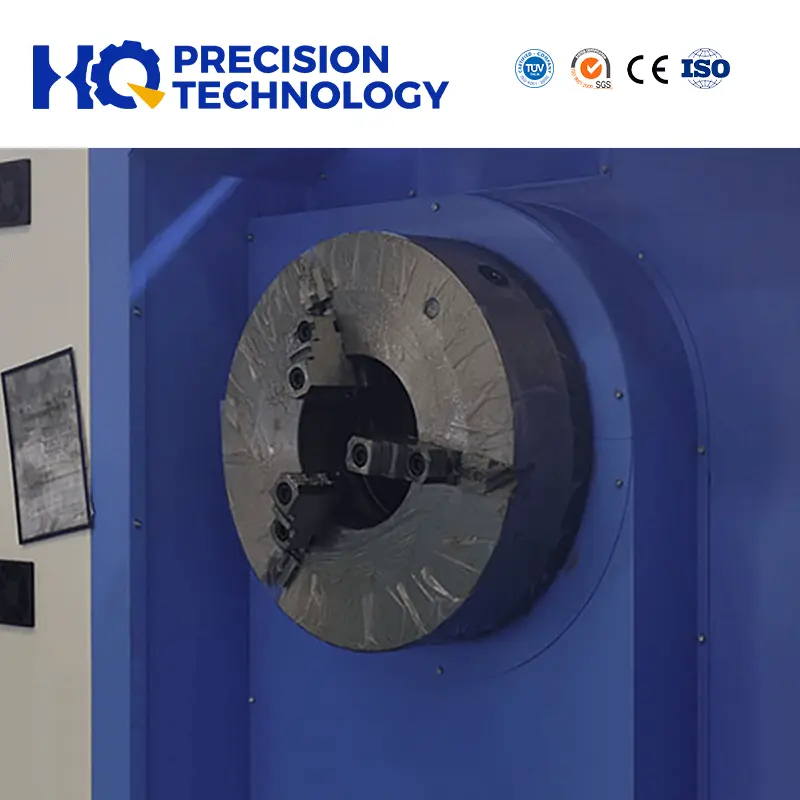
In addition to improving cutting performance, the slant angle of a CNC lathe also has a significant impact on ergonomics and operator efficiency. Operators need to have easy access to tools, workpieces, and machine settings to optimize the machining process. The slanted bed design improves accessibility, reducing setup times and making it easier for operators to make adjustments or change tools.
The slanted bed design allows operators to reach the tools and workpieces more easily, improving both the speed and accuracy of setup and adjustments. This is especially beneficial for tasks that require frequent tool changes or fine-tuning of the machining process. By enhancing accessibility, operators can complete tasks more quickly, reducing downtime and improving overall efficiency.
Additionally, the improved ergonomics of slant bed lathes reduce operator fatigue, allowing for longer, more productive shifts with fewer mistakes. This is especially important in industries like medical device manufacturing, where precision is essential and small errors can lead to significant quality issues.
Choosing the right slant angle is crucial for ensuring that the CNC lathe performs optimally for a given application. The optimal slant angle depends on the part being machined, the material being used, and the required precision. Selecting the right angle helps ensure that the machine is stable, the chip removal system is effective, and the cutting forces are directed appropriately.
Lathe Slant Angle vs Application Suitability
Slant Angle | Best For | Typical Use Case |
30° | General precision | Automotive |
45° | High rigidity | Aerospace |
60°+ | Deep reach parts | Specialty applications |
This table provides a guide to help manufacturers select the best slant angle for their application. For example, a 30º slant angle is ideal for general-purpose machining in the automotive industry, while a 45º angle is better suited for high-precision aerospace parts. Machines with a 60º slant angle or greater are perfect for deep-reach parts and specialty applications, where increased rigidity is required.
The slant angle becomes even more important in specific machining scenarios, such as when working with high-precision parts, complex geometries, or automated systems. In these cases, the advantages of a well-designed slant angle are amplified, leading to better results and higher productivity.
When machining parts with tight tolerances or intricate designs, a stable and rigid machine is essential. Slant bed lathes with higher slant angles (45º or 60º) provide the rigidity necessary to achieve the required precision without sacrificing cutting speed. This is especially important in industries like aerospace and medical device manufacturing, where even the smallest deviation can result in part failure.
In automated production environments, slant angles also play a crucial role in ensuring consistent performance over long production runs. With automation, CNC lathes are expected to run continuously, and a well-designed slant angle ensures that the machine operates smoothly and accurately throughout the entire cycle.
In conclusion, slant angle for CNC lathe is a vital design feature that directly impacts machine performance, cutting accuracy, and operator efficiency. By optimizing the slant angle for a specific application, manufacturers can improve chip removal, enhance machine rigidity, and achieve better surface finishes. Whether working with high-precision aerospace parts, automotive components, or complex medical devices, selecting the right slant angle is essential for achieving optimal results. At HQ Precision Technology, we offer CNC lathes with customizable slant bed configurations to meet the specific needs of your production process. Contact us today to learn more about how our optimized CNC lathe solutions can help you improve precision, reduce cycle times, and increase overall productivity.
1. What is the impact of slant angle on CNC lathe performance?
The slant angle affects chip flow, machine rigidity, cutting accuracy, and operator accessibility, ensuring better performance and smoother machining processes.
2. How does slant angle improve cutting accuracy?
A slanted bed design reduces vibrations and ensures better force direction, leading to higher cutting precision and smoother surface finishes.
3. What industries benefit from CNC lathes with a higher slant angle?
Industries such as aerospace, medical, and automotive benefit from CNC lathes with a higher slant angle, as they provide better rigidity and precision for complex and high-performance parts.
4. When should a 45º or 60º slant angle be used?
A 45º slant angle is ideal for high-precision machining, while a 60º slant angle is best for heavy-duty, deep-reach parts or specialty applications requiring maximum rigidity.


